
Knowledge Centre
Massage Appliance-31
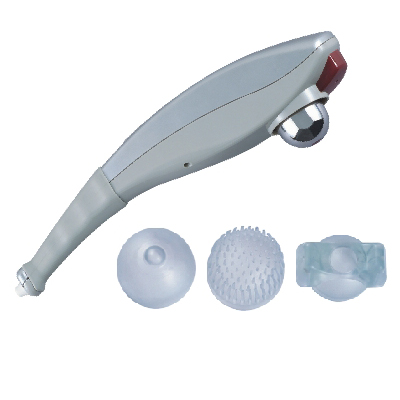
Massage Gun, Percussion Massager, Percussive Therapy Device, Deep Tissue Massage Gun, Mini Massage Gun, Ultra Mini Massage Gun, Pocket-sized Massager, Heating Massage Gun, Thermal Massage Gun, Red Light Therapy Massage Gun, Infrared Massage Gun, Smart Massage Gun, App-enabled Massage Gun, Neck Massager Pillow, U-Shaped Neck Massager, Cervical Spine Massager, Shiatsu Neck & Shoulder Massager, Back Massage Cushion, Massaging Seat Cover, Full Body Massage Mat, Massaging Mattress, Lumbar Massager, Waist Massager, Electric Scalp Massager, Head Massager, Eye Massager, Heated Eye Mask, Facial Massager, Microcurrent Face Roller, Foot Massager Machine, Shiatsu Foot Massager, Foot Spa, Bubble Foot Bath, Leg Compression Massager, Air Compression Calf Massager, Shiatsu Massager, Vibration Massager, Kneading Massager, Air Compression Massager, Rolling Massager, Thermal/Heat Therapy Massager, Travel Massager, Portable Massager, Car Seat Massager, 12V Auto Massager, Office Chair Massager, Athletic Recovery Massager, Massager, Massage Devices, Personal Care Massager.
按摩枪、击打式按摩器、深层肌肉按摩器、深层组织按摩枪、迷你筋膜枪、口袋筋膜枪、便携式按摩器、热敷筋膜枪、理疗筋膜枪、红外线按摩枪、智能筋膜枪、蓝牙APP控制按摩枪、颈椎按摩枕、U型颈部按摩仪、颈椎仪、指压式颈肩按摩器、按摩靠垫、车载按摩椅垫、全身按摩垫、按摩床垫、腰部按摩器、护腰带、电动头皮按摩器、头皮抓头器、眼部按摩仪、护眼仪、面部按摩仪、微电流美容仪、足底按摩仪、指压足疗机、足浴盆、气泡泡脚盆、气压腿部按摩仪、小腿气囊按摩靴、指压按摩器、震动按摩器、揉捏按摩器、气压按摩器、滚轮按摩器、热疗按摩器、旅行按摩器、车载按摩器、办公室按摩靠垫、运动康复按摩器、按摩器、按摩设备、个人护理按摩仪。
Products are named differently in the market, but their underlying RCM regulatory pathways are essentially identical." To illustrate this regulatory principle, let us examine a specific case study ;
Australian RCM Compliance & Market Access Guide: Massagers & Massage GunsAccording to the regulatory framework and extensive project experience of AusRCM Compliance, the certification path for a single product name can vary significantly depending on its intended use, rated voltage, and power supply structure. When planning an RCM compliance strategy for massage products, it is mandatory to first determine the input voltage and power supply configuration.
For example, a "Smart Heated Meridian Massager" and a "Professional High-Frequency Muscle Massage Gun" are branded, marketed, and sold under completely different names in retail to satisfy distinct consumer demands. However, from an Australian regulatory standpoint under the Electrical Equipment Safety System (EESS) and the Australian Communications and Media Authority (ACMA) frameworks, if both devices operate on direct current low voltage (such as being powered by an internal lithium battery charged via a USB port), they are uniformly classified as low-voltage handheld personal care devices.
Route A: Low-Voltage / Wireless Power Supply Pathway(DC Low-Voltage Input, e.g., Built-in Lithium Battery, USB-Powered)If your massager or massage gun is powered by a built-in lithium battery (charged via a USB interface) or operates strictly on direct current low voltage (where the rated voltage does not exceed 50 V AC or 120 V ripple-free DC), the device is not classified as a high-risk regulated electrical article under the Electrical Equipment Safety System (EESS).
Step 1: Electromagnetic Compatibility (EMC) Testing StandardsIn accordance with the ACMA EMC regulatory arrangements, low-voltage massage appliances containing motor switching circuits or electronic control boards fall under mandatory EMC jurisdiction. The product must comply with the following electromagnetic compatibility or radiocommunications standards, which must be explicitly listed in the technical file:
- AS/NZS CISPR 14.1 (Electromagnetic compatibility — Requirements for household appliances, electric tools and similar apparatus — Part 1: Emission).
(Note: If the massage device integrates smart control modules, such as built-in wireless Wi-Fi, Bluetooth App connectivity, or a remote controller, it is classified as radiocommunications equipment. Consequently, it must additionally pass the AS/NZS 4268 standard for short-range radio devices and obtain a corresponding RF evaluation report).
Step 2: Safety and Battery Compliance Core EvidenceAlthough low-voltage products themselves do not require a mandatory SAA Electrical Safety Certificate, a robust compliance evidence chain must still be maintained under general safety principles to withstand platform audits and customs inspections:
Step 3: Conformity Assessment and Technical File (DoC) CompilationBecause low-voltage devices are generally classified as Level 1 (low risk) or fall outside the EESS mandatory registration scope, registration of the complete low-voltage appliance in the official EESS database is typically not required. The overseas manufacturer must collaborate with a registered Australian Responsible Supplier to compile and execute a Declaration of Conformity (DoC) and an ACMA Letter of Authorisation (LOA) based on valid EMC and RF test reports.
Step 4: Affixing the Regulatory Access Mark (RCM Label)Once the complete technical construction file is established and the DoC is signed, the product can be legally labeled with the unique RCM logo. The mark must be clearly visible on the product rating label, external packaging, and user manuals.
Route B: High-Voltage Direct Power Supply Pathway(AC Mains-Powered 220-240V, Classified as EESS Level 3 Regulated Article)If your massage appliance connects directly to 220-240V AC mains power (such as corded household massage cushions, foot massagers, or infrared handheld massagers), its operating voltage exceeds 50V AC and it serves a household or personal care purpose. Under the AusNZ Electrical Equipment Safety System (EESS), it is explicitly categorized as a Level 3 (High Risk) Prescribed Electrical Article and must follow the most stringent market access protocol.
Step 1:
Electromagnetic Compatibility (EMC)
Testing StandardsAccording to the ACMA EMC framework, mains-powered massage appliances fall under mandatory EMC jurisdiction. The product must satisfy the following electromagnetic compatibility or radiocommunications standards, which must be explicitly itemized:
- AS/NZS CISPR 14.1 (Electromagnetic compatibility — Requirements for household appliances, electric tools and similar apparatus — Part 1: Emission).
- (Note: If the appliance features smart control modules, such as built-in Wi-Fi or Bluetooth App controls, it must additionally pass the AS/NZS 4268 standard for short-range radio devices and obtain a corresponding RF/EMF report).
Step 2:
Product Safety Testing Standards
Prior to applying for certification, the product must undergo evaluation by a qualified ISO 17025 accredited laboratory and strictly fulfill the following AS/NZS safety standards, which must be clearly specified in the documentation:
- AS/NZS 60335.2.32 (Household and similar electrical appliances — Safety — Part 2.32: Particular requirements for massage appliances).
- AS/NZS 60335.1 (Household and similar electrical appliances — Safety — Part 1: General requirements).
(Note: The integrated Australian mains plug and flexible supply cord are classified as high-risk core components. They must independently comply with AS/NZS 3112 and AS/NZS 3191 standards, respectively, and must possess their own valid, standalone SAA safety certificates before the complete appliance can be approved. If an external independent power adapter is supplied, the adapter must also independently comply with AS/NZS 62368.1 or AS/NZS 61558 and hold a valid SAA certificate).
Step 3:
Application for a Certificate of Conformity (SAA Certificate / CoA)
Since the mains-powered configuration represents a Level 3 high-risk regulated article, ordinary overseas test reports or standard CB reports cannot be used on their own to sell the product legally in the Australian and New Zealand markets. The comprehensive safety test reports matching the AS/NZS standards must be submitted to an authorized third-party Recognised External Certification Scheme (RECS) certifier (such as SAA Approvals, Global-Mark, or TÜV Rheinland) for independent expert review. Upon approval, a formal Certificate of Conformity (commonly referred to as an SAA Certificate) will be issued, featuring a unique, valid Australian certificate number (e.g., SAA-XXXXXX-EA or GMA-XXXXXX-EA).
Step 4:
Australian Responsible Supplier Binding & EESS Database Registration
This is the most critical legal accountability phase within the RCM framework. Overseas manufacturers (such as factories based in China) cannot register products directly in the official Australian EESS database.
A local Australian entity holding a valid Australian Business Number (ABN)—acting as the importer or a legally authorized compliance agent—must serve as the "Responsible Supplier".
The Responsible Supplier uploads the obtained SAA safety certificate and reports into the national EESS database, linking the specific massage appliance models to their supplier account to permit legal customs clearance and commercial distribution.
Step 5:
Affixing the Mandatory Compliance Marks (RCM Label + SAA Number)
A product is considered fully RCM compliant only when the entire sequence of "Meeting Applicable Safety/EMC Standards + Obtaining an SAA Certificate + Completing EESS Database Registration" is met. At this point, the unique RCM logo can be legally affixed to the product rating plate, external packaging, and instruction manuals. Under current regulations, the legacy C-Tick mark is no longer used. However, if the product is distributed in New South Wales (NSW), local regulations for high-risk scheduled electrical articles dictate that the RCM logo should be accompanied by the valid SAA certificate number (e.g., "SAA-XXXXXX-EA") directly on the product rating label. This access marking must be permanently marked on the massage appliance itself; printing it solely on the packaging box does not satisfy legal requirements.